Day 7 — Miyanokoshi to Narai
The Rules of Breakfast as we know them have been torn up and incinerated. I’m staying at a mid-range international hotel and the breakfast options are wider than a sumo wrestler’s smile. I am like a kid who’s been left at home to feed himself. Freed from the boundaries of convention I have: three different colours (plain, yellow, pink) of miniature toast with marmalade; boiled eggs; yoghurt; cereal; and a spicy green curry.
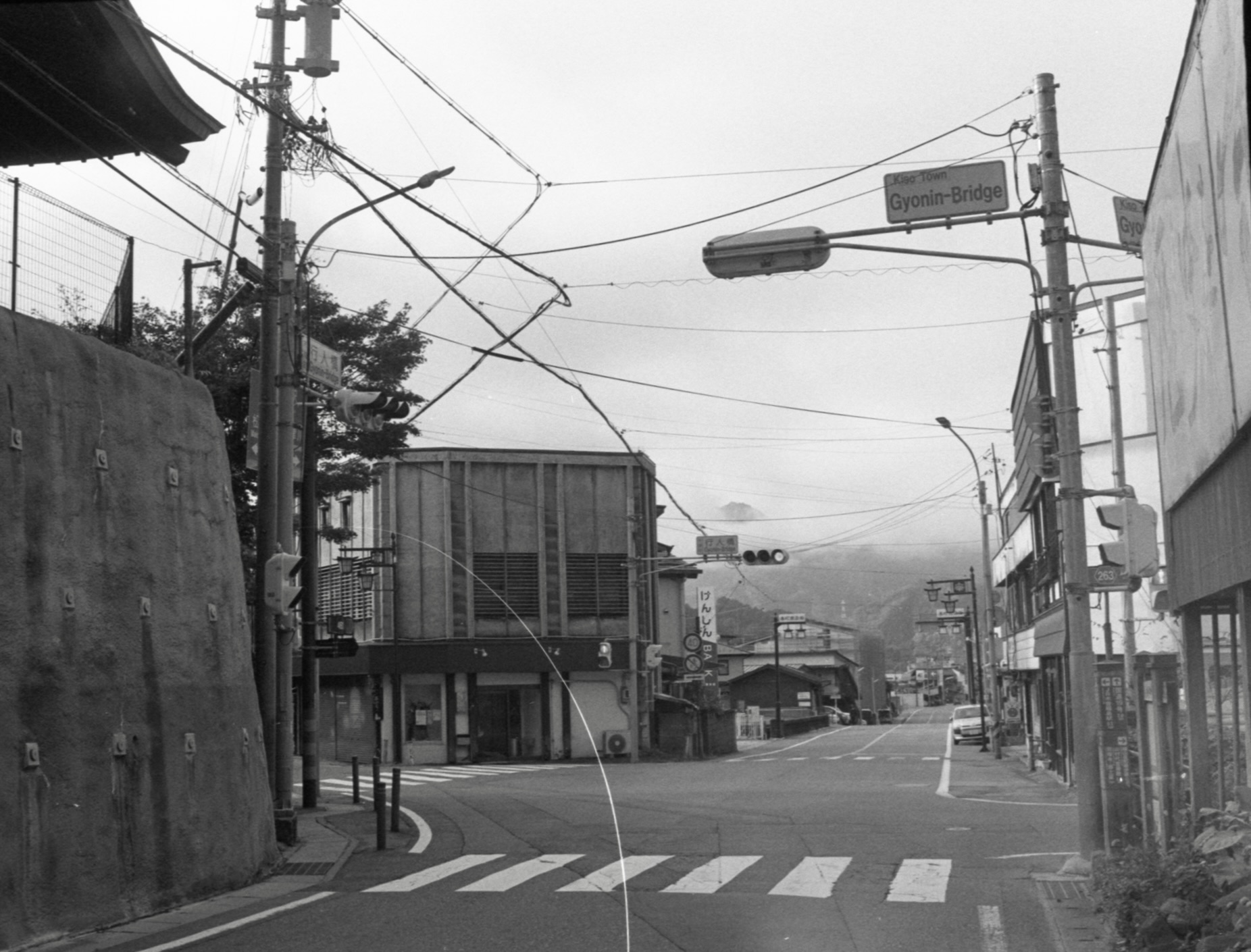
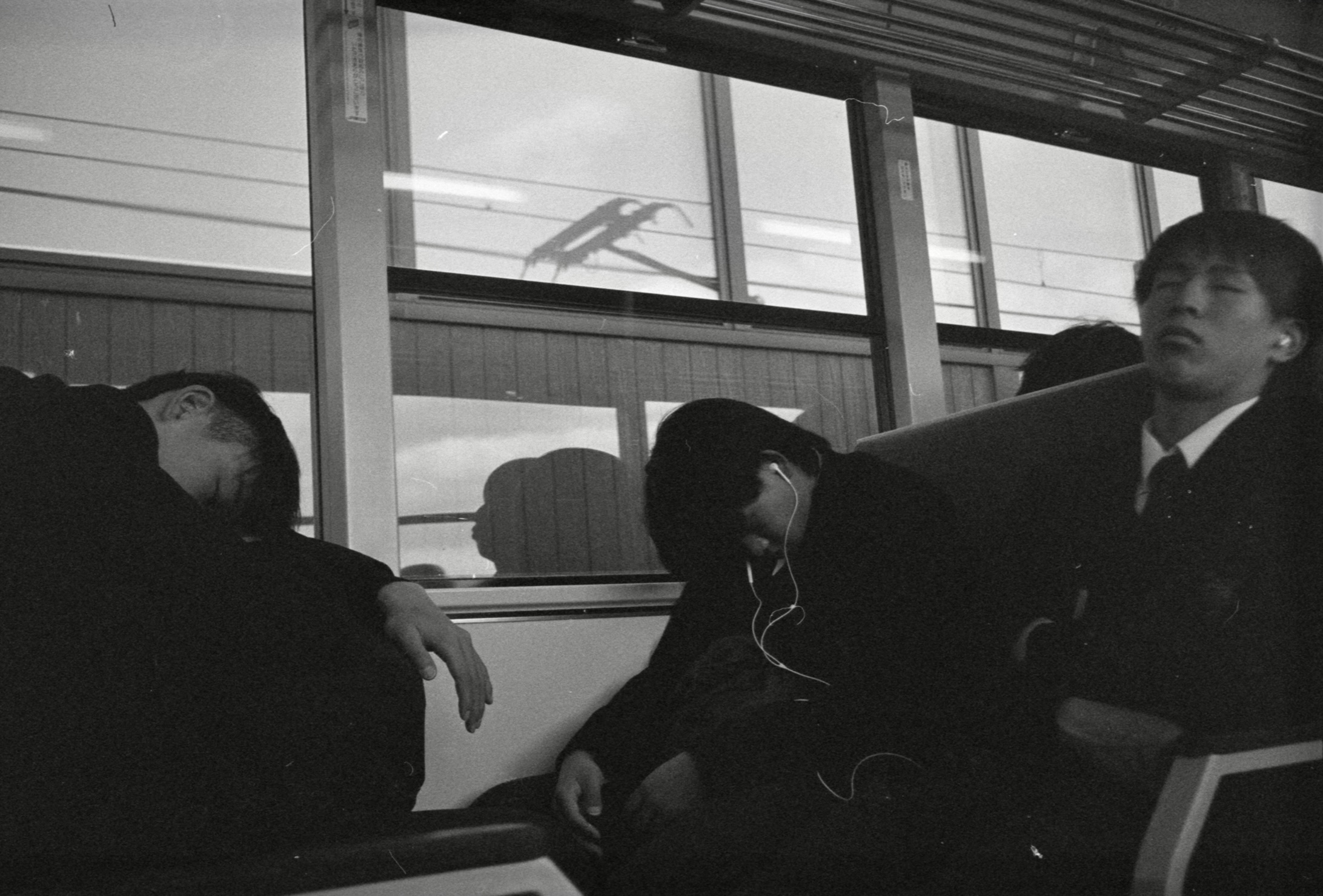
Kiso-Fukushima train station is packed. About 25% are locals going about their regular Monday-morning business, and the rest are tourists—mostly English, German and Australian from what I can make out. Everyone seems to be going in the same direction as me, which tells me there’s some tourist hotspot waiting for me at some point today. The orderly boarding procedure goes out of the window and people are boarding through all six doors. I have only been using these trains and observing their once-baroque-but-now-deeply-ingrained procedures for seven days but already what is happening in front of me looks and feels like chaos. I am the only one to get off at Miyanokoshi and I ask myself why I suddenly feel relieved.
It’s one of those days where it’s chilly in the shade and roasting in the sunlight. The air is crisp and pure. A slight breeze brings a constant shower of falling leaves. The Kiso River flows happily along and I’m impressed at the ongoing demonstration of damning and stemming and redirecting techniques. I rejoin National Route 19 and it’s like reuniting with an old friend. I stop at a 7-Eleven to pick up some snacks and there is Christmas music on the radio and three understated Christmas decorations in the corner of one window—they’re so inconspicuous there’s a chance they were left up from last year. I walk through a tunnel. The next couple of kilometres lead through a particularly secluded part of the valley—the hillsides to the left and right are steep, and the river twists tightly at both northern and southern ends, giving this area a feeling of being totally closed off from the outside world. At this time of year and with the steepness of the valley the sun barely touches the narrow plain. Even with the N19 blasting right through it it’s incredibly peaceful and beautiful.
I see some litter on the roadside footpath. It’s the fifth piece of litter I’ve seen in about 90km. Ordinarily I would pick it up and take it with me but given the lack of bins in this country I would probably end up taking it back to France with me, so I don’t.
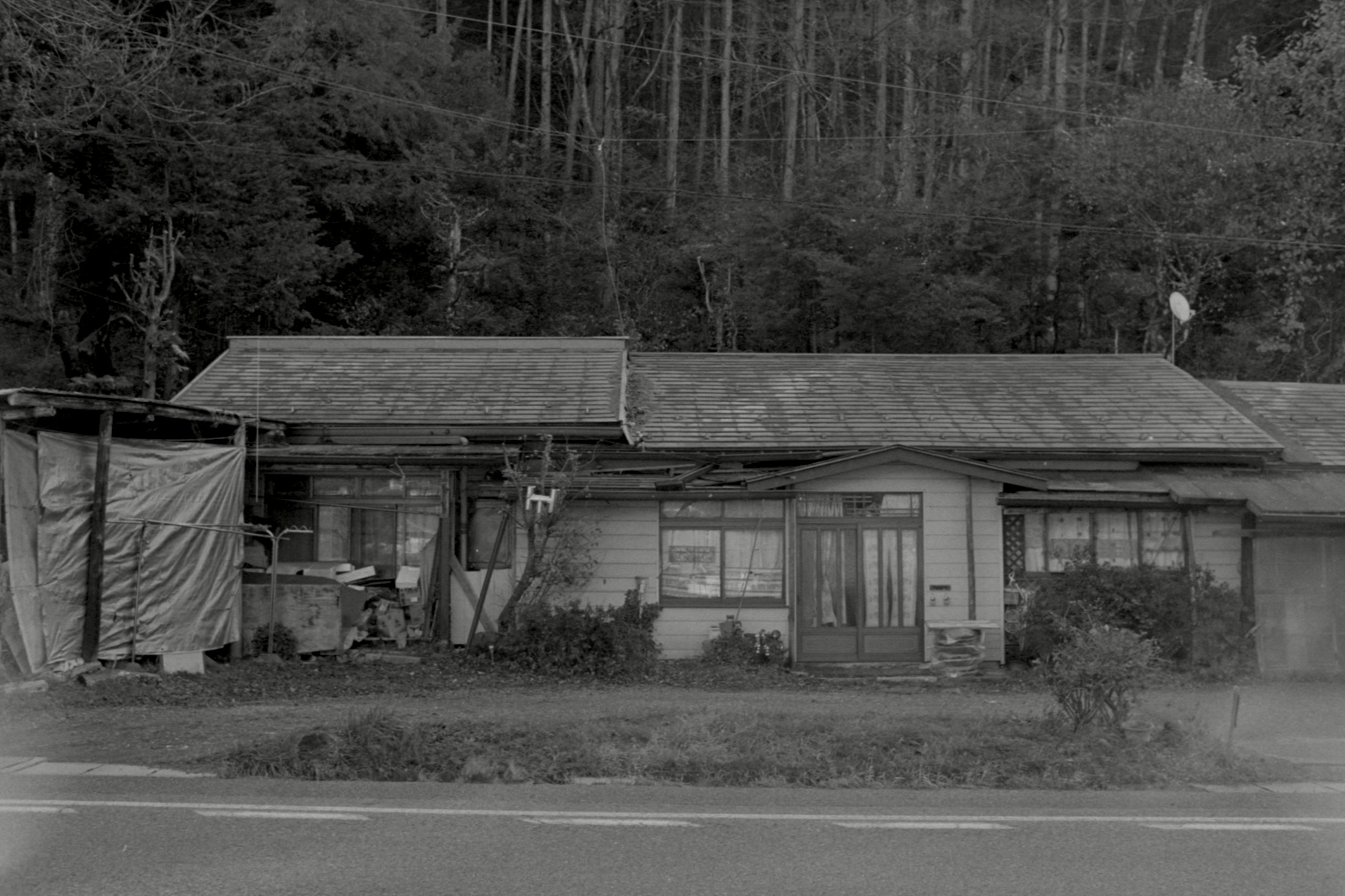
I cross the Kiso River for the last time right at the point where a new tunnel for the N19 is under construction. The new bridge across the river is already built but there’s no tunnel there yet, so the road appears to run straight into the hillside. I reach Yabuhara, which feels post-industrial and soulless. I stop on the main street for some rest and a snack—I’m addicted to the plum-sauce filled onigiri from 7-Eleven—and I hear live music coming from the building in front of me. I can only see a couple of audience members’ heads so I walk around to a window to get a better look. I see that there are no live performers at all, and everyone is watching a recording of a live performance on a very loud TV.
The Japanese seem to consider every alleyway as an opportunity to lead the eye towards something of interest or something dramatic or eye-catching. I walk past the 75th attractive alleyway today and stop to take a photo. As I’m halfway down the alleyway a taxi approaches from the opposite direction. I move against the wall and there is just enough space for the car to squeeze past. The driver draws level and winds down his window. “Where are you from?” he says in enthusiastic English. I say England, and he says, “Ah, London!” I smile and say yes for unknown reasons. He then says “Please be very careful!” and drives off. Each of yesterday’s three Grandmas used the same expression and I consider how deep in the national psyche being careful and cautious is.
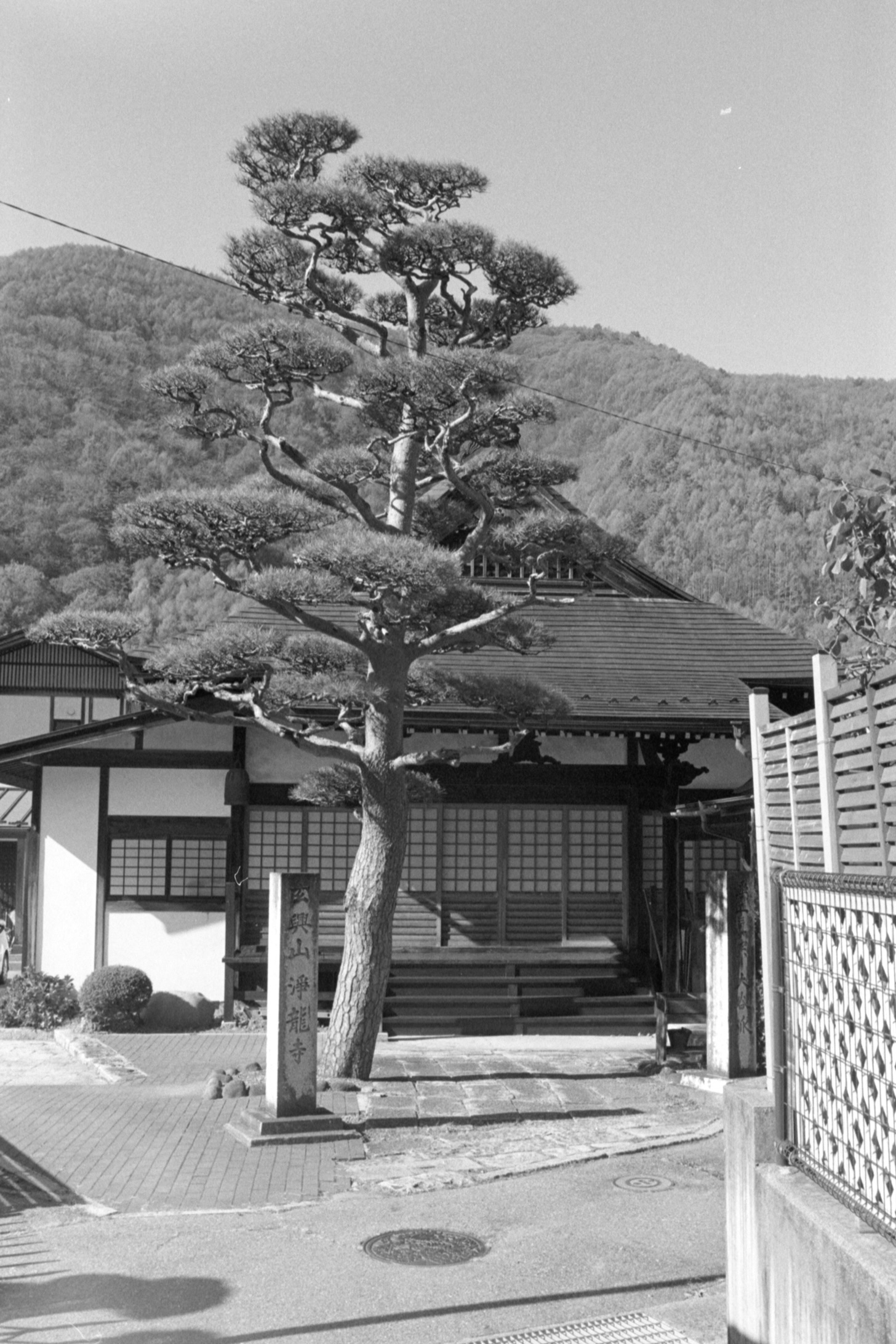
It quickly becomes evident that the Torii Pass—a once-strategic mountain pass between the Kiso and Narai valleys—is the attraction that everyone on my train was travelling to experience. A French hiker with a ukulele sticking out of his rucksack tells me it’s beautiful but it will be packed with tourists. There are signs with arrows pointing to the Torii Pass everywhere—it’s clearly the only show in town. It’s a steep ascent of about 200m over 2km. I pass three tourists on the way up, six taking a breather at the top, and six on the way down into Narai.
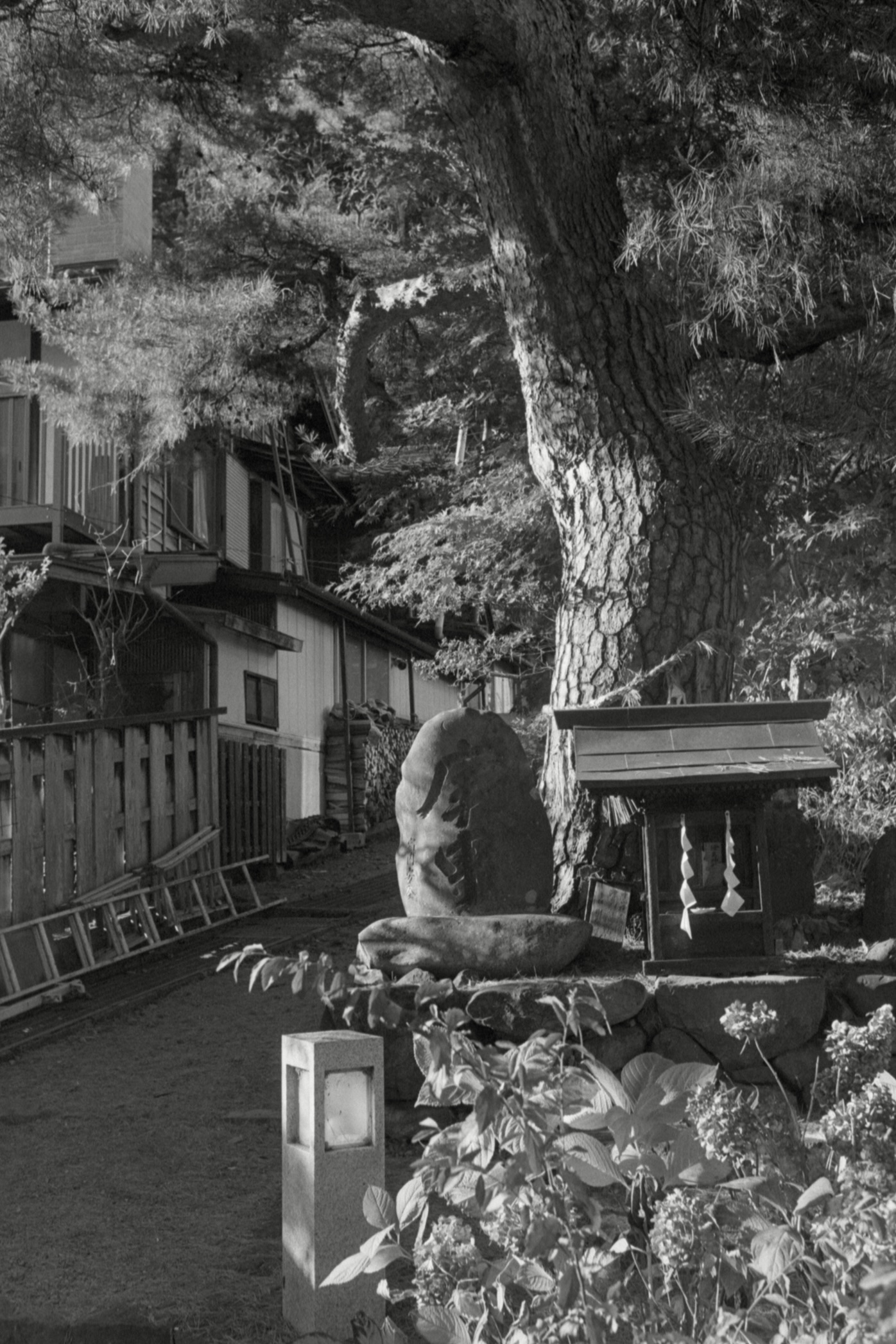
Narai is another show town. It is undeniably beautiful with its coffee-dark, low-slung traditional buildings, but it nonetheless has a distinctive tourist-trap feel to it. Restaurants with menus in English outside; heavily-stocked souvenir shops; ice-cream stands; everything driven by tourism. People of all nationalities amble around aimlessly. I sit down to gather my thoughts and I recognise a couple from this morning’s train ride. The wife clearly recognises me too because she turns her back to me to face her husband, gestures behind her with her eyes (of course I can’t see her eyes, but I can tell from the movement of the husband’s eyes that she has just told him to look in my direction), and whispers, “There’s that guy from the train earlier”. The husband replies, “Yes, he got off at the stop before us.” Goddam spies everywhere.