Day 1 — Ena to Magome
Today is a day of unfolding. Of stretching. Of putting muscles and tendons and ligaments and bones into use they probably thought they’d never see again after yesterday’s twelve-hour flight, one-hour bus ride, two-hour Shinkansen, one-hour local train to Tajimi and all the dead time hanging around in between. (Yesterday loses all meaning when you cross eight time zones and go to bed more than thirty hours after last waking up.) A day of walking 20km carrying 16.5kg on my back, reward disguised as punishment.
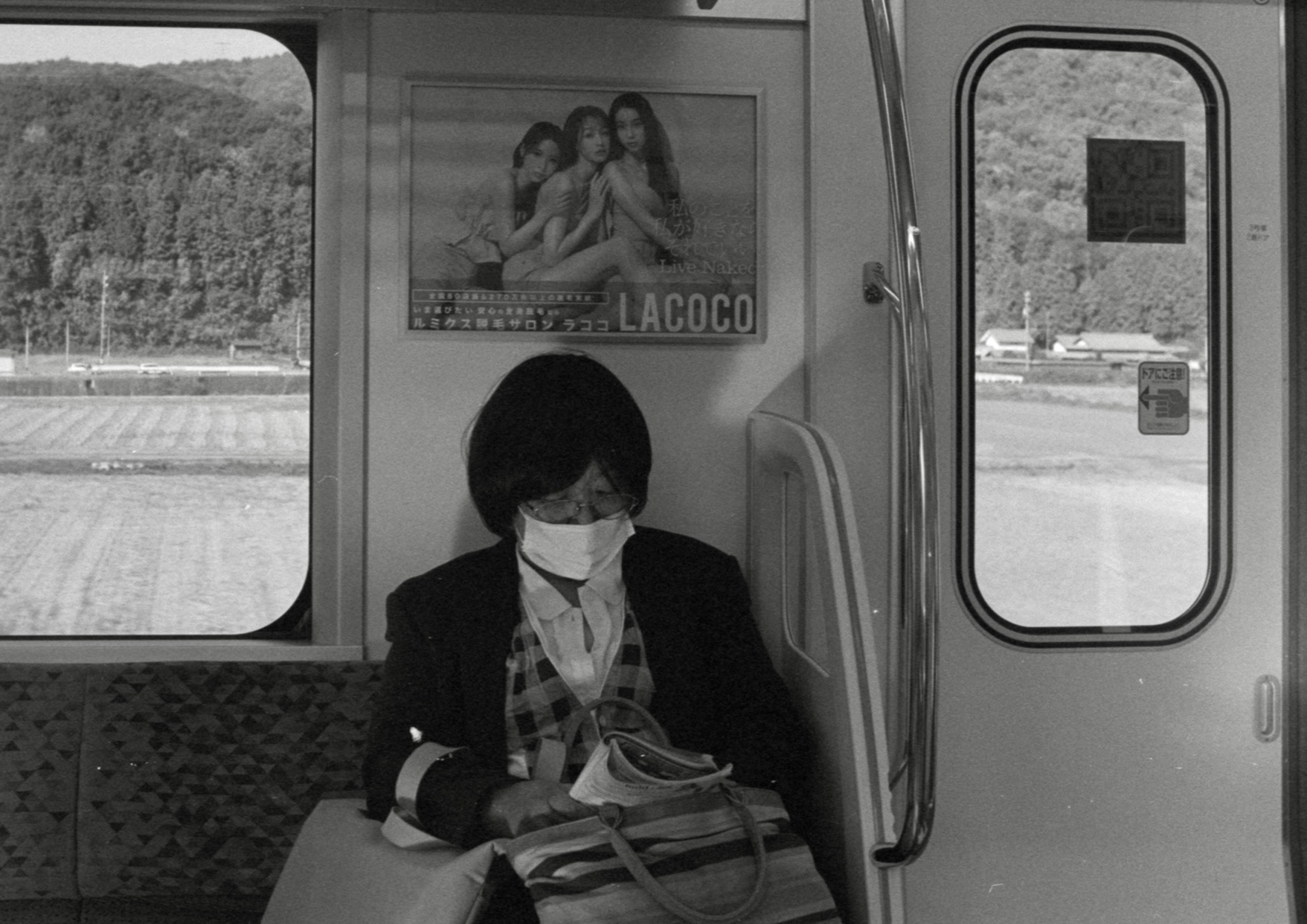
I wake up two hours later than intended. Given what I’ve put my body through I extend all forgiveness. I planned my walk to start in Ena, which is a half-hour train ride away. I walk to Tajimi station, passing up the option to buy a croissant from its incongruous but tempting French bakery—tempting if only to see how their croissants compare to those back home—and start trying to figure out how to get to Ena. A board with upcoming departures shows the next trains leaving in 3, 40, and 60 minutes. Not wanting to hang around I buy ticket and rush down to the platform. The train was about to pull in and it was entirely unclear whether it was going direct to Nagano (the only name in English displayed on the platform-level board), or stopping at any of the locations along the way. I didn’t want to risk getting on a train that would take me 200km away so I decided to ask two octogenarian ladies for help. The word ask is doing some heavy lifting here; I actually mean saying, and possibly mispronouncing, the name of the town I was heading to, while simultaneously giving a huge shoulder shrug with upturned hands, one of them pointing to the train, kinda like this: ¯\_(ツ)_/¯. They reply with actual words in full sentences, which is incredibly polite and well educated of them, but also totally useless. Recognising the blank expression on my face they then give the non-universal sign for no by crossing their arms in front of their chests. Emphatically. Are they right? How in-depth is their knowledge of the JR Train Company’s timetables, actually? Should old people be trusted, ever? I figure the marginal benefit is not worth the risk, so I put all my faith in the two old ladies and remain on the platform. As the train pulls away the board updates, showing the next train is due in four minutes, and not forty at all. As that train pulls in the two old ladies wave at me and point for me to get on, so again trusting them entirely, I do.
From Ena train station it’s a short walk down a street to where the nakasendō intersects, and where my walk proper begins. On the corner of the junction a sign gives noteworthy historical information, while the shrine to its side either blesses passing travellers, or expects blessings from them, I’m not sure which. Within seconds a crow caws from behind me, sweeps overhead, and lands on a nearby rooftop, watching me pass below.
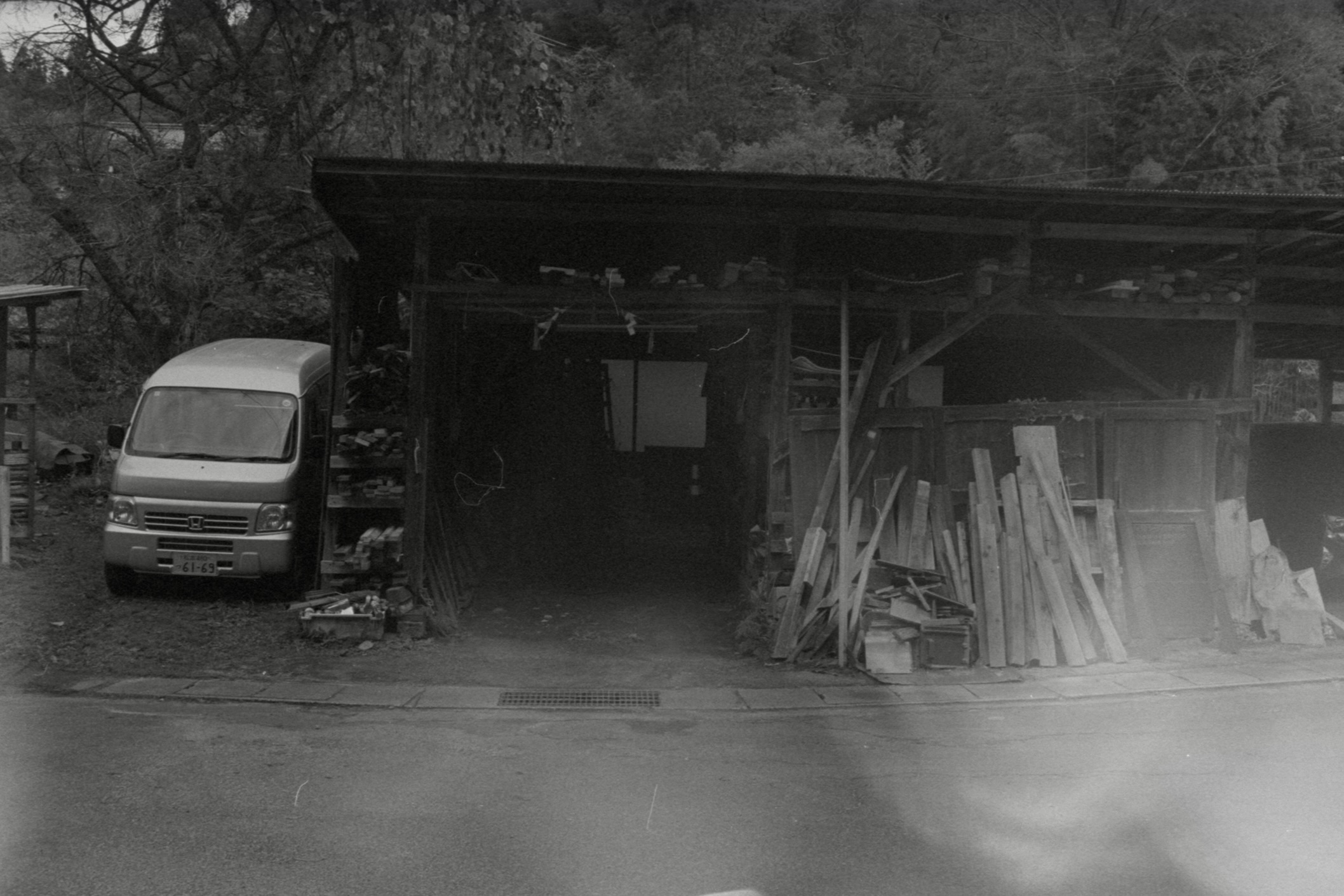
All of a sudden I’m in the Disneyland version of Japan, where all the houses, gardens, cars, street furniture and cartoonish street signage may well have been entirely authentic, tangible, real, but sure as hell don’t feel like it. It all feels like a pastiche, a mockery, an exaggeration. But nope, this is what rural Japan is actually like. Maybe rural is the wrong word here, because that would suggest sparse dwellings and vast stretched farmland. This is more like suburbia, but without the urbia to be subordinate to, just roads apparently stretching in all directions, lined with boxy houses with tiny gardens.
A troop of twenty or so primary school kids bookended by two teachers appears from the opposite direction. I smile and give a slight bow as we cross paths. Half of them do the same in return, while the other half call out hello in English. I consider how it would go down if a group of English school kids saw a walker of East-Asian descent walking through the English countryside and called out “konnichiwa!” to them, clueless as to whether that person was actually Japanese, and not Chinese, Taiwanese or Korean. I let their ignorance slide.
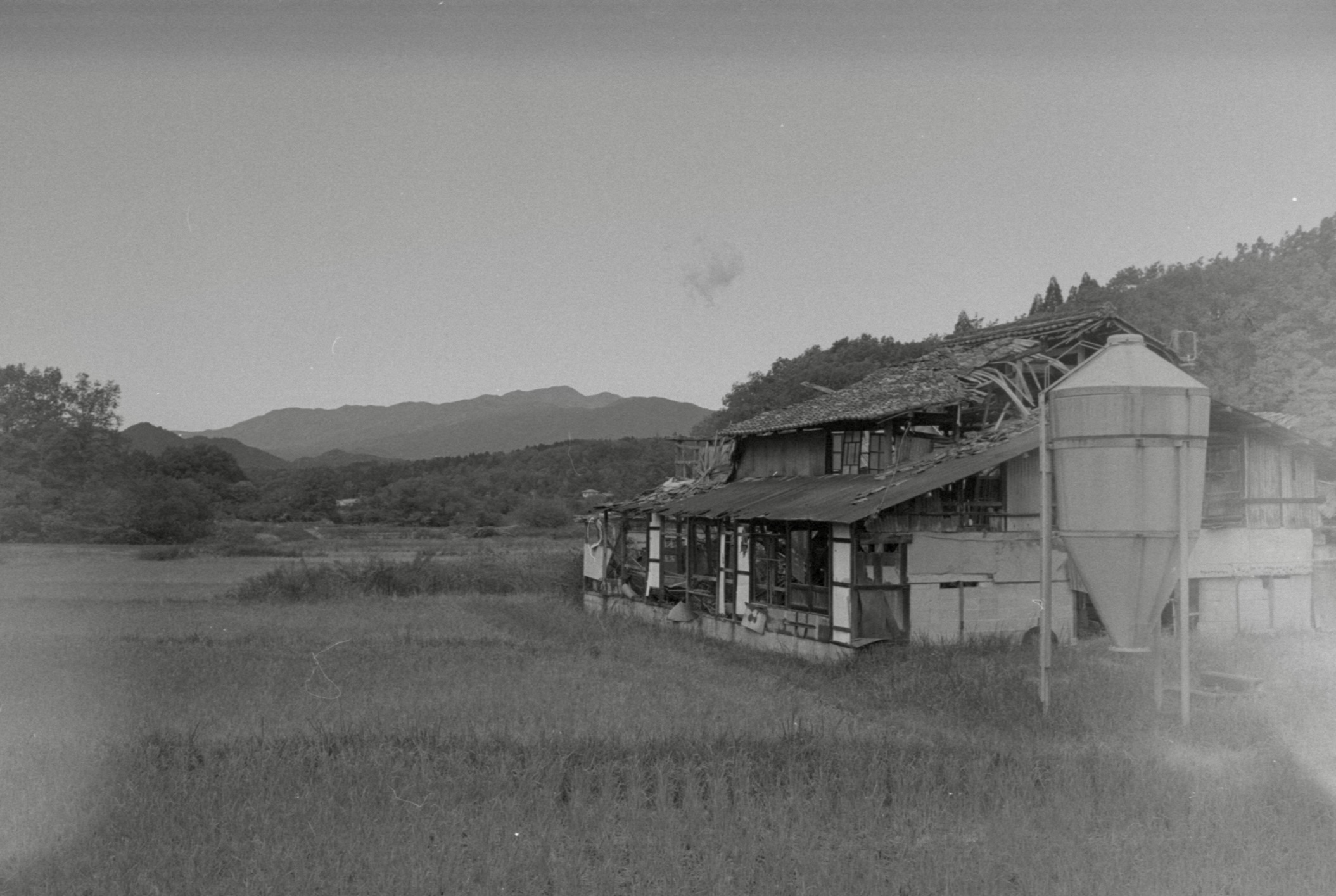
I pass a plot of land with two houses on it, of which one has almost entirely collapsed in on itself—one side of the roof is slowly transitioning into a wall; beams and columns point in odd directions; windows become pointless; roof tiles stack; paint flakes; kudzu creeps. It already seems nostalgic for its better days it calls disrepair. Somehow it still has a washing line attached, on which the lady from the adjacent house still hangs her laundry, perhaps as a counterweight.
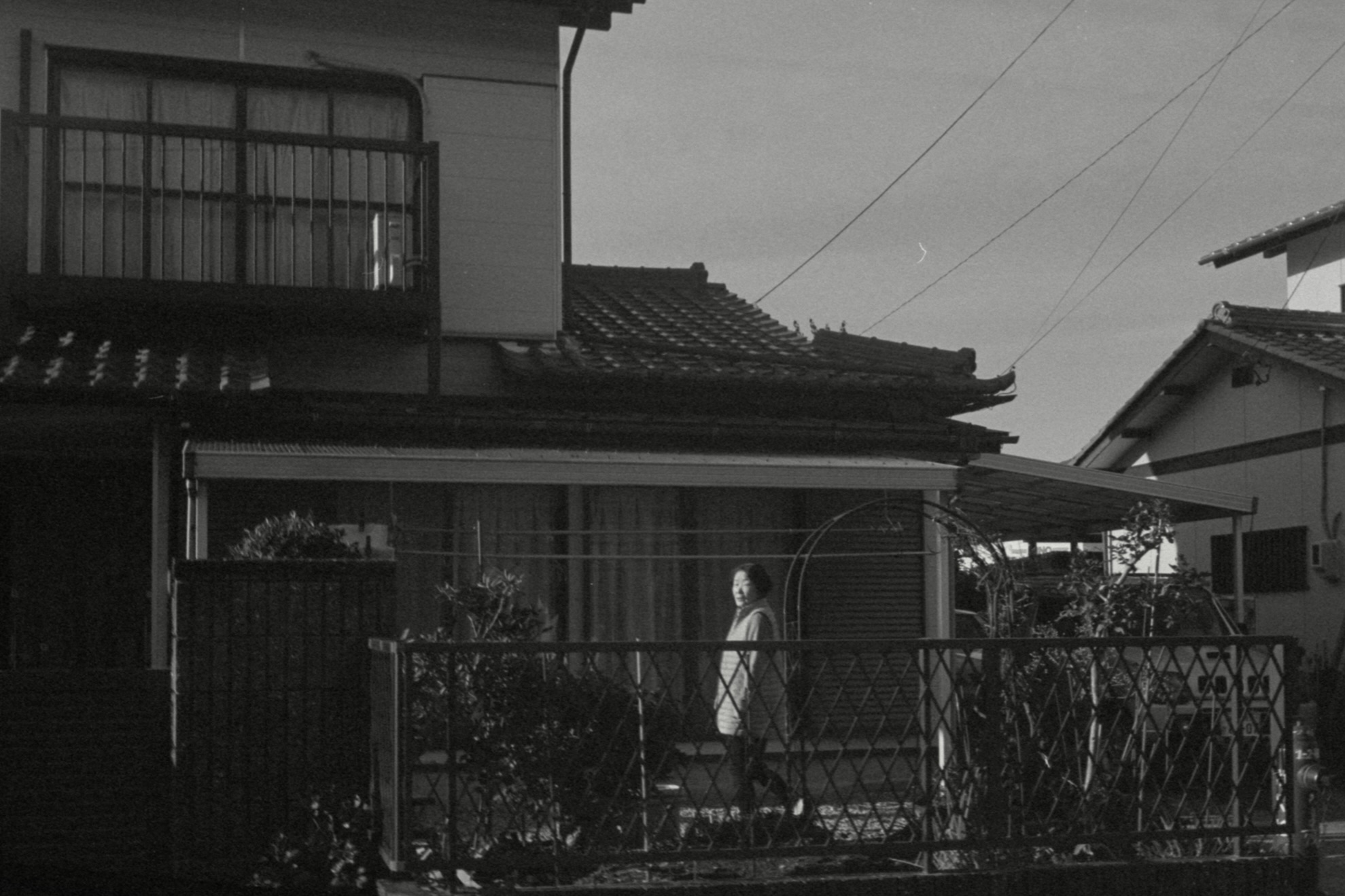
A lady of retirement age is sweeping leaves at the edge driveway using a traditional wooden broom. I make my first attempt at conversation. “Nice weather, isn’t it?” “Yes it is,” she agrees, unaware of the happiness her apparent understanding gives me.
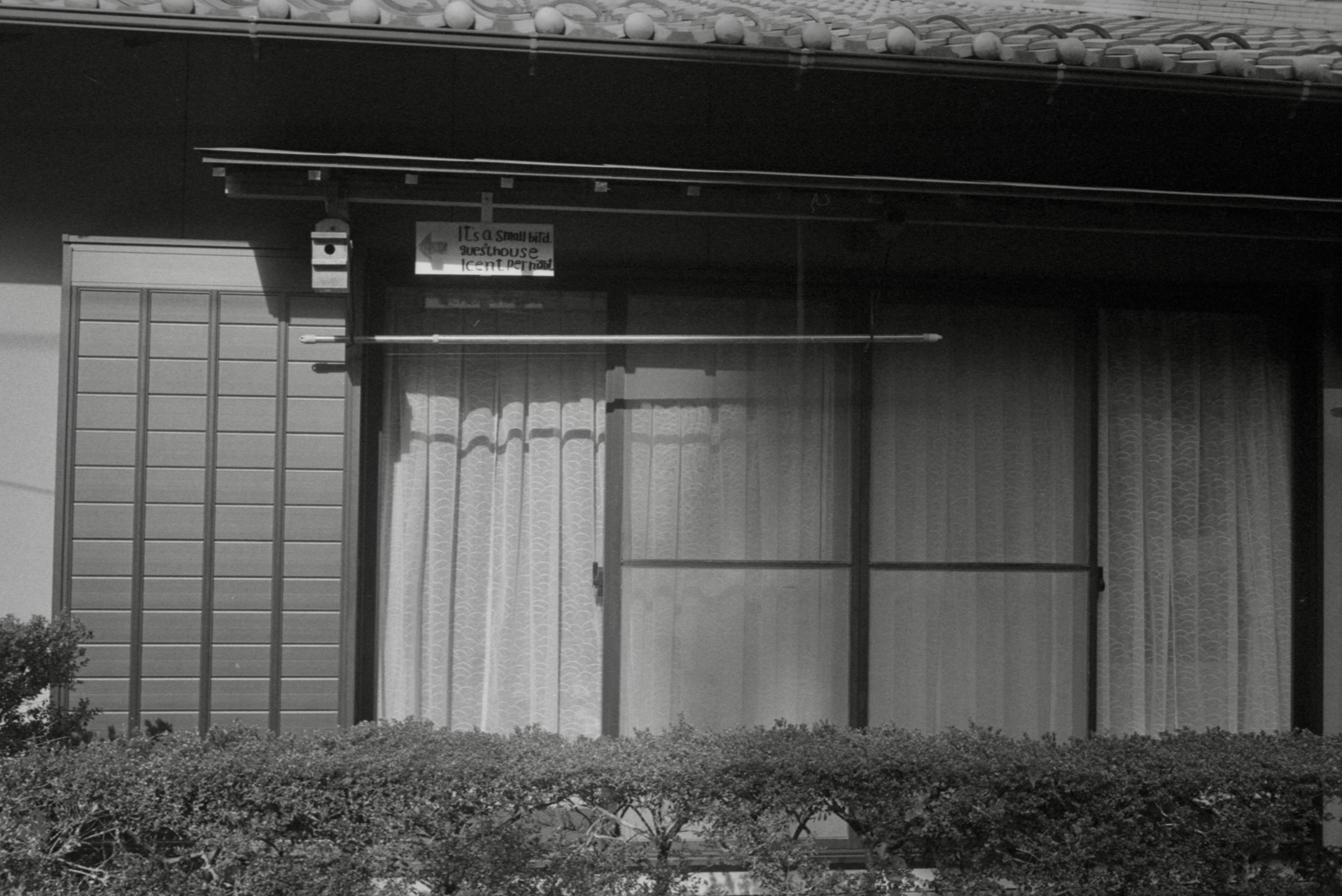
All modern houses have a sign out front with the romaji/anglicised version of the inhabitants’ family name on it, whereas all other houses don’t. There is an average of one handicraft ornamental windmill made from an old fizzy drink bottle per garden, but only by virtue of the fact that one garden has about 700 of them. At the stroke of midday a jingle fills the air, the sound apparently coming from all directions at once, with not a single loudspeaker in sight. It’s creepy.
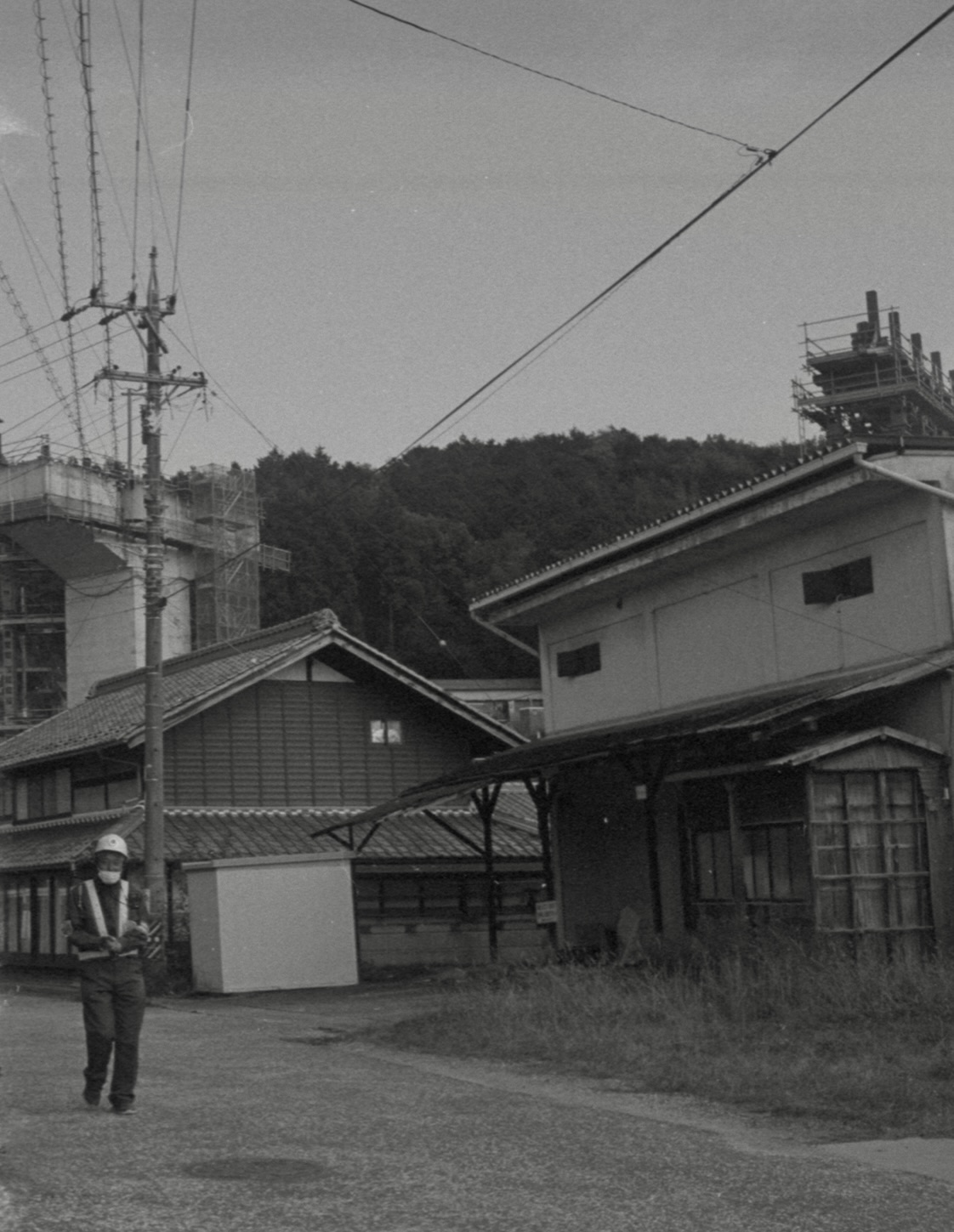
I approach a large-scale construction site and see a security guard by the roadside. I only know he’s a security guard because of his snappy navy uniform with white trim and badge that says SECURITY (in English, oddly). A more appropriate badge would be LOITERER for all the authority he appears to possess. He says hello in Japanese, and asks if I’m Australian, in English. I explain, in Japanese, that I’m from England, but I live in France. He asks, in Japanese, if I live in Paris. I reply no, I live in the south, in English. I ask whether the construction going on behind him is for the new Maglev train line, in a mix of Japanese and crude sign language. I do not catch a single word of what he says in reply in Japanese, but I do understand that it’s not for a new Maglev train line. I ask whether it’s (a road) for cars instead, in Japanese, and he says yes, in Japanese. I ask him what his favourite bird is, in Japanese. He says ki-ji, in Japanese. I echo his words, in Japanese, pull out my phone and start typing the word into a Japanese dictionary. He is wearing a mask so it is difficult to gauge how impressed he is with my knowledge of hiragana, but let’s assume very. We discover together that ki-ji is a green pheasant (Phasanius versicolor). I show him a picture of a green pheasant on my phone and he looks delighted. I say it’s beautiful, in Japanese. He explains, in English, that he sometimes sees them walking around these parts. Fascinated, I bid him farewell, in Japanese, and leave him to his strenuous security duties.
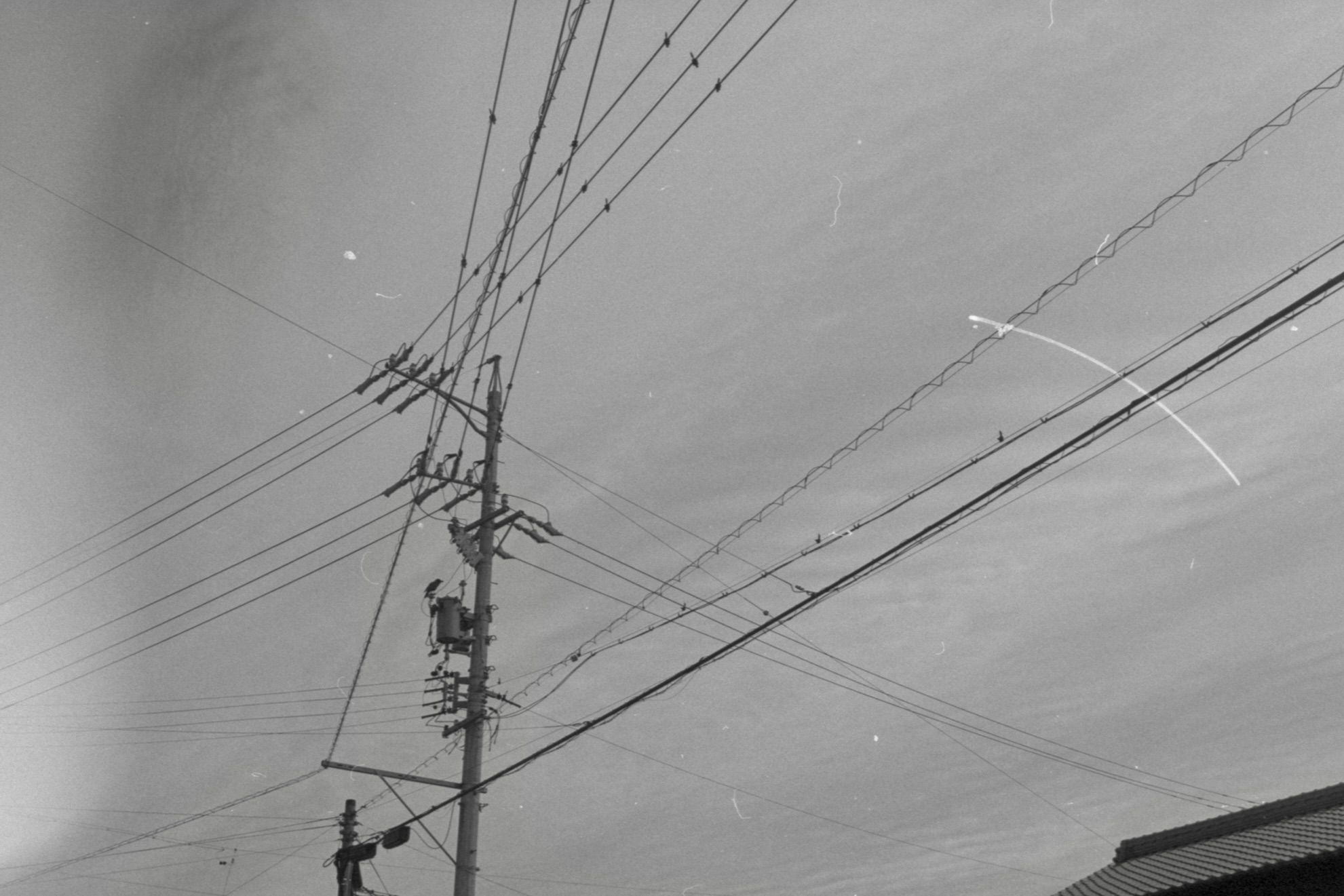
A crow again passes overhead and sits on an overhead power cable, cawing to no one. Two actual walkers come from the opposite direction. We say good day and carry on. One of them is wearing a bell, presumably so the other one can find her if she gets lost. In Nagatsukawa I see four more walkers, neither of whom are wearing bells. They look Western and out of shape, so I assume they are either American or Australian and say good afternoon. The first three reply in kind, but the fourth—the straggler among them—comes out with “We’re going back!”, a non sequitur that only makes sense had we crossed paths at some point before then, which we hadn’t, and which I can only assume was her way of venting her frustration at her bossy friends.
I stop to make a trade at a restaurant in Nagatsukawa: food go in, Japanese come out. Although served in exquisite earthenware, the food is average, so I only offer average Japanese in return. I pay and say thank you, ask where the toilet is even though it’s clearly marked and right in front of me, and say goodbye.
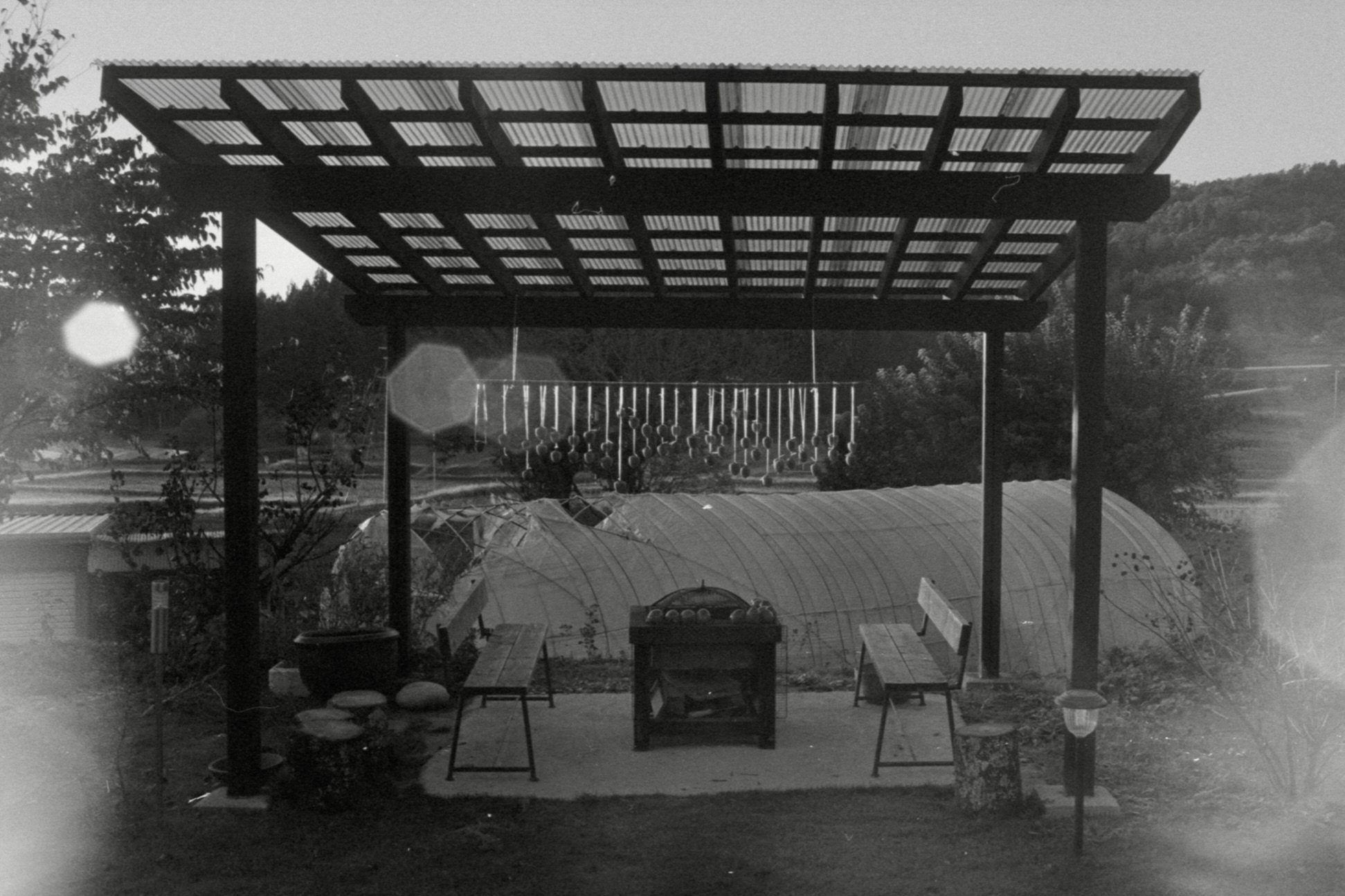
The sun ticks to golden hour and scatters soft light on the front of what would be a generic, nondescript house were it not for two features—an ocean-blue tie-dyed square of cloth (noren) hanging over the front door; and an array of peeled and carved persimmon (hoshigaki) hanging across and up from a first-floor window. Little, achieving much.